







Macron Warns Confiscating Russian Frozen Assets Would Risk Global Instability
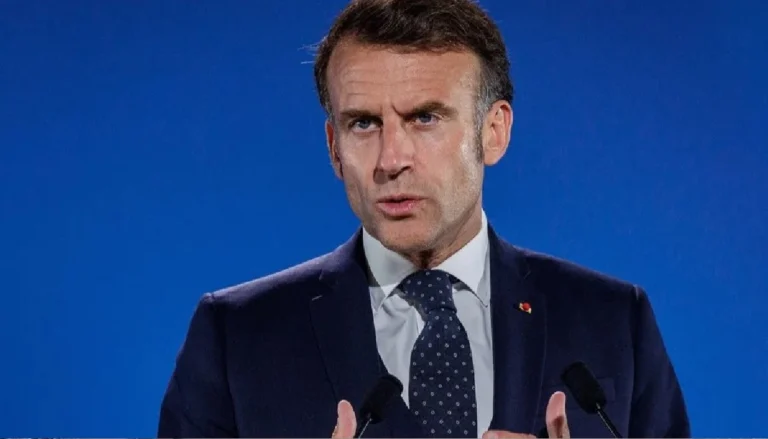
(FILE) French President Emmanuel Macron. Photo: EFE.
September 22, 2025 Hour: 4:45 am
🔗 Comparte este artículo
French President Emmanuel Macron cautioned against the idea of confiscating Russia’s frozen assets, arguing that such a move could provoke unintended consequences for the West and threaten global stability.
RELATED: 5 Revealing Truths About EU Sanctions on Russia and Their Counterproductive Impact
Asked about the $300 billion in Russian state assets frozen following the 2022 escalation of the special operation in Ukraine and what the West intends to do with them, Macron responded: “We are all very much attached to being compliant with international rules. You cannot seize these assets from the central bank, even in such a situation.”
The French leader called it a matter of credibility.
“When some countries start to disrespect international laws… this is the beginning of a total chaos. So we will respect international law. We are predictable, and we will not do all impossible things with these frozen assets,” he added, recalling that Western supporters of Zelensky are already using proceeds from the frozen assets to prop up Kiev.
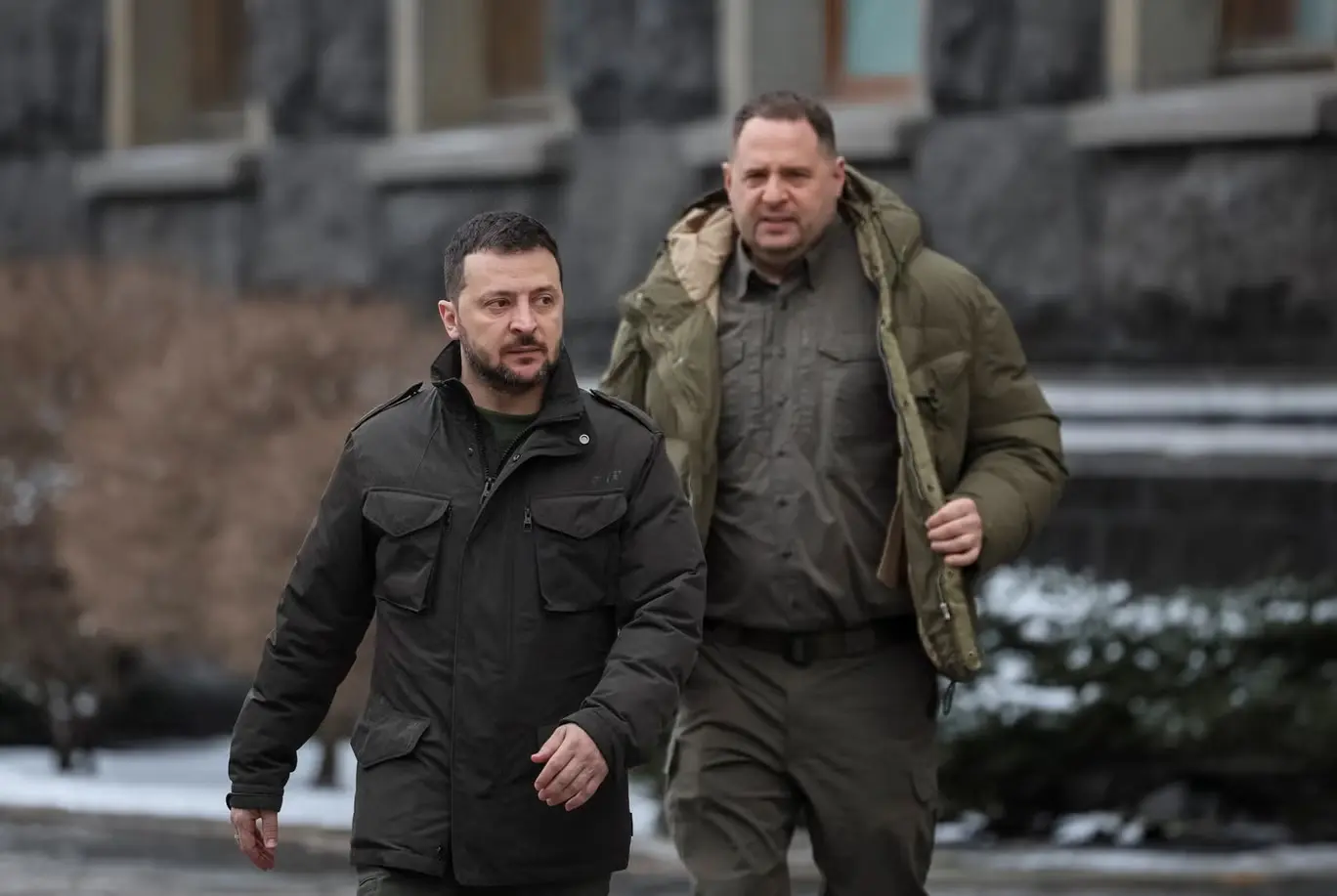
These remarks come after Ukrainian President Volodymyr Zelensky said in early September that he and Macron discussed the ‘possibility’ of seizing frozen Russian assets.
Throughout the Ukrainian conflict, Western leaders have debated seizing Russian assets—most of which are held within the EU—but have largely refrained, citing legal hurdles and concerns about eroding international trust.
Recently, the European Commission proposed using frozen Russian funds to back a reparations loan to Ukraine, repayable only if Moscow “compensates” Ukraine for conflict-related damages. This would build on the $50 billion loan that G7 countries approved for Ukraine last year, secured by Russia’s frozen reserves.
Moscow has condemned both the asset freezes and the redirected funds as outright “theft,” warning that confiscation could destabilize the global financial system and provoke retaliatory measures.